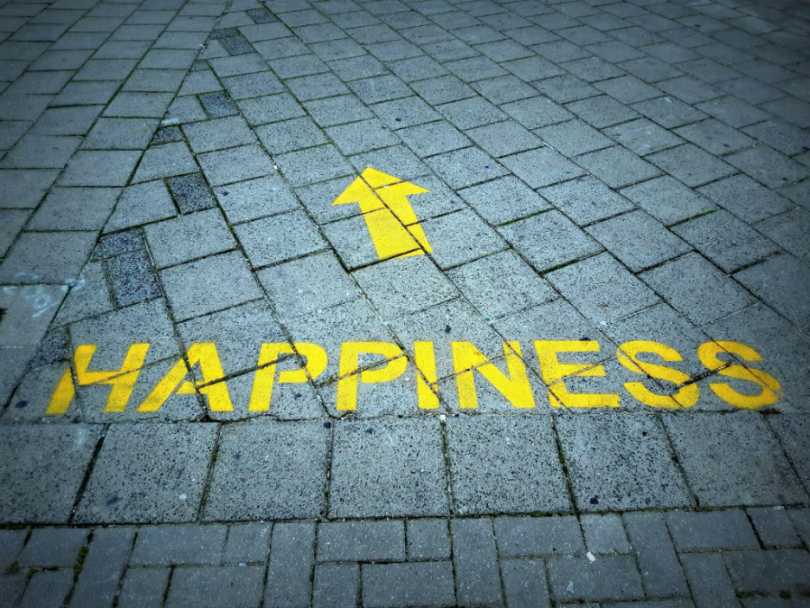

Happiness is commonly treated as a complex goal, despite its ties to daily behavior. Emotional balance rarely comes from dramatic changes or perfect routines. It develops through small, repeatable actions that fit real life. Simple habits tend to last longer and support well-being without pressure.
Why Small Habits Matter More Than Big Changes
Large life overhauls attract attention, but they also demand energy that fades fast. Small habits work because they reduce friction and remove the sense of failure. A short walk, a consistent bedtime, or a quiet pause each day can shift mood more reliably than bold resolutions.
Modern routines already incorporate moments of structure and repetition. Some people find focus through leisure activities, like a baccarat game online, where decisions follow simple, fixed rules, and the outcome is largely based on chance. In the same way, well-being benefits from habits that feel manageable and predictable — when they are consistent, the mind accepts them as part of daily life.
Habits That Support Mental Clarity
Mental clarity improves when thoughts have space and direction. A few simple practices can reduce internal noise and restore focus:
● Limit early input: Mornings shape mental tone. Delaying news, messages, or social feeds allows the mind to set its own pace. This habit reduces tension and prevents outside demands from taking control too early.
● Write to organize thought: Short daily writing creates order. Notes, lists, or brief reflections help sort priorities and release mental pressure. The goal is clarity, not eloquence.
● Single-task on purpose: Focus improves when attention stays with one task at a time. Completing small actions fully builds confidence and reduces the sense of constant urgency.
These habits support mental clarity because they reduce overload and create a sense of direction without complexity.
Physical Habits That Affect Mood
The body plays a quiet but powerful role in emotional health. Small physical choices influence mood more than intense efforts that strain consistency.

Gentle Movement, Not Intensity
Light movement supports emotional balance. Walking, stretching, or casual activity encourages circulation and steadies energy. These actions feel accessible and avoid the pressure often linked to intense exercise plans.
Sleep as a Non-Negotiable Habit
Sleep quality shapes emotional resilience. Consistent sleep times support mood stability and decision-making. Perfection matters less than regularity. A steady rhythm offers the body and mind a reliable reset.
Social Habits That Strengthen Well-Being
Social well-being develops through steady connection that fits daily life. Brief exchanges, routine check-ins, or shared activities help maintain emotional balance and reduce isolation. Familiar contact provides continuity, which supports mood during periods of stress.
Relationships tend to feel more stable when expectations stay realistic. Reliability and mutual presence matter more than intensity or constant engagement. This approach allows social bonds to remain supportive without creating pressure or emotional fatigue.
Environment Shapes Emotional State
Surroundings influence emotional tone more than many realize. Small environmental changes can lower stress and improve focus.
Reduce Visual and Digital Clutter
Excess objects and open screens compete for attention. Reducing visible clutter creates mental relief. Fewer tabs, cleaner surfaces, and simpler layouts support calm thinking and reduce distraction.
Create One Calm Anchor Space
A single chair, desk, or corner can act as an emotional anchor. This space signals rest or focus through repetition. Predictability in environment builds a sense of safety and control.
Habits That Build Long-Term Emotional Stability
Long-term well-being depends on trust in daily choices. Emotional stability grows when habits reinforce reliability and self-respect.
● Keep small promises to yourself: Confidence grows through follow-through. Simple commitments such as a short walk or a fixed bedtime build trust. That trust supports emotional steadiness.
● Accept imperfect consistency: Missed days do not erase progress. A calm return to routine matters more than strict adherence. This mindset prevents guilt from disrupting well-being.
Awareness also plays a quiet role in emotional balance. Noticing patterns in mood, energy, or focus over time offers useful insight. Observation without judgement supports adjustment and replaces self-criticism with clarity.
Where Small Choices Quietly Add Up
Happiness and well-being rarely come from sudden change. They grow through habits that fit daily life and support balance over time. Consistent sleep, manageable movement, and steady social contact shape emotional resilience in practical ways. When small choices align with personal limits and routines, they create stability that holds even during periods of uncertainty.