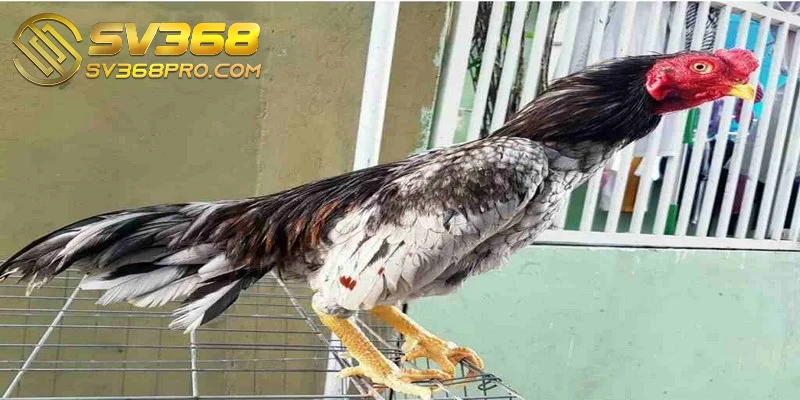

The Shamo is a specialized gamecock breed widely favored not only for arena combat but also as an ornamental bird for display. Below is a detailed overview provided by nhà cái sv368.
Overview of the Shamo Breed
Tin tức sv368: Originating from Japan, the Shamo gamecock is famous for its imposing posture and martial presence. Beyond arena fighting, its striking appearance makes it a popular ornamental bird (gà kiểng). Recognized globally as a symbol of endurance and physical power, the Shamo comes in various categories classified by weight and intended use, allowing breeders to select ideal birds for either show or combat.
Key Physical & Combat Characteristics
- Physical Structure: Shamo roosters feature an upright, tall stance with a long neck and a small head, creating a dignified posture. They possess large, vivid yellow eyes, a short yet powerful beak, and hard wings held tight against the body.
- Plumage & Tail: The tail is long and tapers toward the tip in a subtle curve. The thighs and breast area lack feathers, reducing friction and wind resistance during combat.
- Head & Legs: Features a pea comb (mồng dâu ba khía), with the back and tail forming a 15-degree angle. The legs are long and muscular—with a thigh-to-shank ratio of 1 to 1.5—typically featuring three distinct rows of scales along the shank.
- Weight: Average weight ranges between 4 to 5 kg, with muscle growth expanding further under structured nutrition.
- Combat Style & Temperament: Known for a tenacious, aggressive fighting spirit in the ring, Shamo roosters fight with composure and confidence. Despite their aggressive nature against opponents, they remain calm and friendly toward human handlers.
Rearing & Care Practices
- Housing Environment: Coops must be clean, well-ventilated, well-lit by natural light, and sheltered from cold drafts or harsh weather. Adequate space is required to ensure free movement without restriction.
- Dietary Management: Include fresh green vegetables (such as water spinach or mustard greens) daily to provide essential vitamins and hydration. Avoid feeding frogs or toads, as these can cause excessive weight gain, reducing the bird’s speed and agility.
- Vaccination: Timely vaccination during early development stages is critical to prevent infectious diseases and protect flock health.