

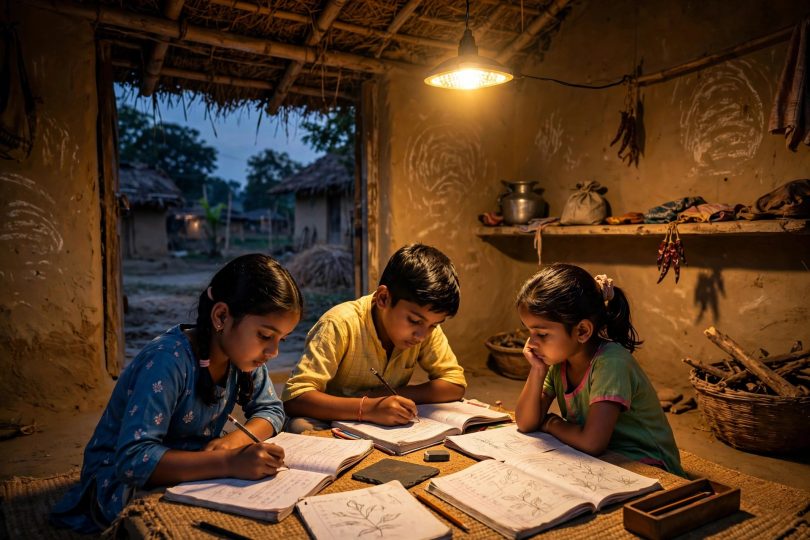

For decades, sunset in many Indian villages meant the day simply ended. Kerosene lamps flickered, children stopped studying, and small shops closed early. Today, that picture is changing fast. The growth of solar energy India is bringing clean, free sunlight into homes that once waited years for a reliable electricity connection. A small panel on a rooftop, a battery in the corner, and suddenly a village home glows bright long after dark.
The best part is that solar power suits India naturally. Our country receives strong sunshine for most of the year, and villages with open rooftops and wide skies are perfect for capturing it. From solar lanterns carried by farmers to full home lighting systems and street lights that switch on by themselves, sunshine is quietly becoming the most trusted power source in rural India. This article looks at how it works, why families love it, and how any village home can begin.
Why Solar Power Fits Rural India So Well
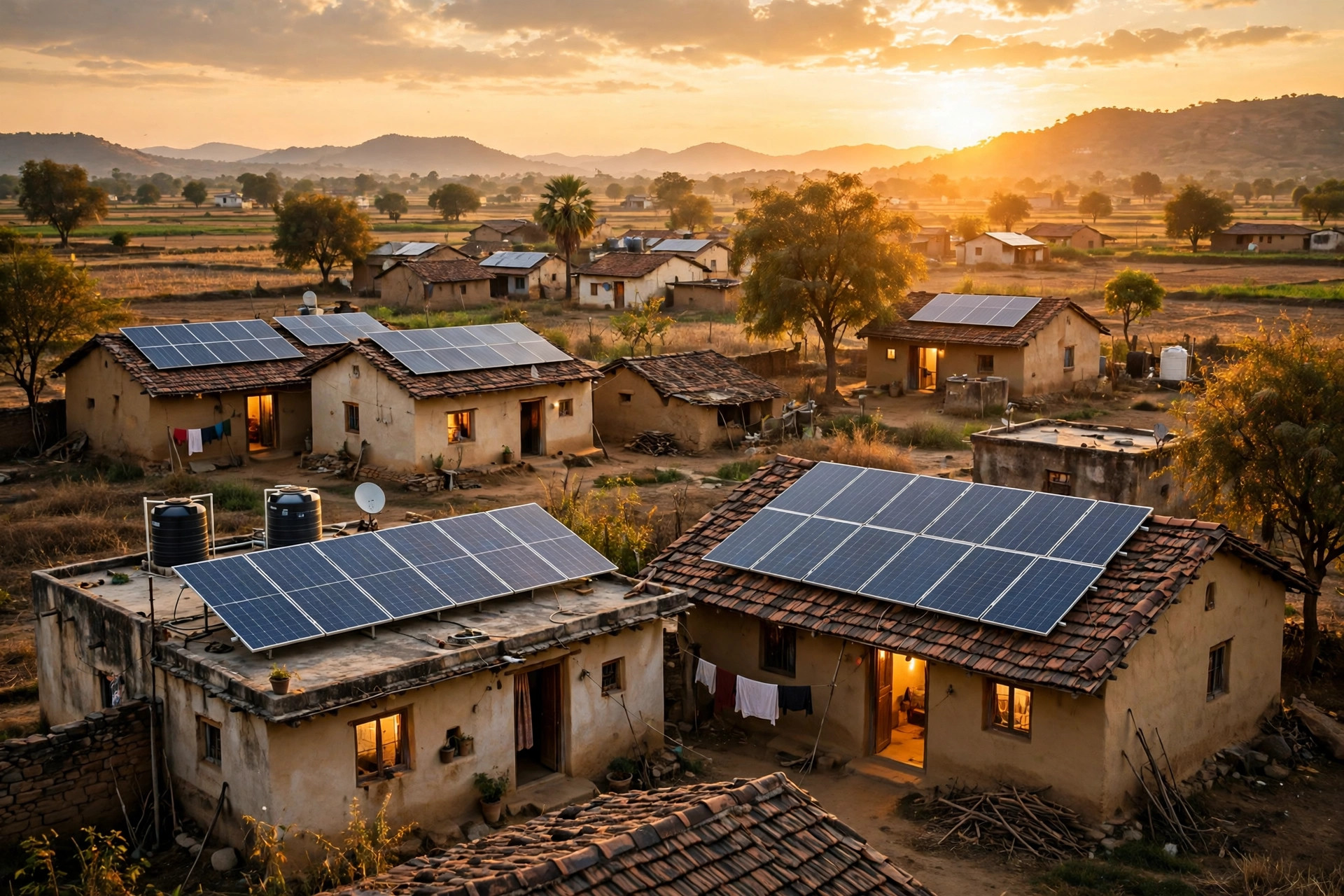
Building long power lines to every small village is slow and expensive, and even connected homes often face cuts during peak summer hours. A solar home system skips that wait completely. The panel collects sunlight during the day, the battery stores it, and the family uses the stored power at night for lights, a fan, a mobile charger, and even a small television. Once installed, the sunlight itself is free, month after month.
Sunshine Is Available Almost Every Day
Most parts of India get 250 to 300 sunny days a year. Even on a cloudy day, a good panel produces useful power, and the battery covers short dull periods. For a family, this means dependable light for children’s studies, evening cooking, and late-night work — without worrying about the grid going down.
Costs Have Fallen a Lot
Solar panels and LED lights are far cheaper than they were ten years ago. Prices have dropped enough that a basic home lighting kit now costs less than what many families once spent on kerosene in a couple of years. Government schemes and subsidies reduce the cost further for eligible households, and many states support solar street lights and home systems in remote areas.
What Changes When a Village Home Gets Solar Light
The first change everyone notices is simple: the house stays alive after dark. But the deeper changes touch study, work, safety, and health together.
Children Study Longer and Better
Bright LED light makes homework easier on the eyes than a smoky lamp. Students can read, draw, and prepare for exams in the evening, and parents say children willingly study longer when the light is steady and clear. For girls especially, a well-lit home and a lit path outside make evening study and movement safer.
Shops and Small Work Earn More
A tailor can finish orders after sunset. A tea stall can serve customers in the evening. Farmers can sort produce, repair tools, and charge phones for the next morning’s work. Two or three extra working hours a day add up to real income over a season. Mobile charging at home also saves the money earlier spent at charging shops in the market.
Homes Become Healthier
Kerosene lamps fill a room with smoke that irritates eyes and lungs, especially for women who cook nearby and children who study close to the flame. Solar light is clean and silent. There is no fuel to store, no flame near curtains or hay, and no fear of burns for small children.
Popular Solar Solutions Village Families Use
Solar products come in many sizes, and families usually start small and grow step by step. Common choices include:
- Solar lanterns — cheap, portable lights for study, walking at night, and emergency use
- Solar home lighting systems — a panel, battery, and 2–4 LED bulbs with a mobile charging point
- Solar street lights — automatic lights for lanes, wells, and common areas that switch on at dusk
- Solar water pumps — help farmers irrigate fields without diesel or waiting for grid power
- Solar fans and coolers — small comforts that run directly on stored daytime power
Many villages now have a local solar shop or a trained young technician who installs and repairs these systems nearby. This local support matters: when help is available in the village itself, families trust the technology and use it with confidence.
Solar Power Is Part of a Bigger Rural Change
Solar lighting is arriving alongside other digital changes in village life — mobile banking, online classes, telemedicine, and digital government services. Reading about how Digital India technology is changing rural lives shows the same pattern everywhere: simple, affordable technology solving everyday problems first. A charged phone, a bright home, and an internet connection together open doors that were closed for generations.
Solar projects also work best when the whole community plans together — deciding where street lights go, who maintains the common systems, and how costs are shared. This is the spirit behind strong community development basics: local people organising local solutions that last. In many villages, women’s self-help groups manage solar charging stations and earn income from them, which spreads both the benefit and the responsibility.
Young People Are Becoming Solar Technicians
Installation and repair work is creating new rural jobs. Young men and women train as solar technicians, run small service businesses, and teach neighbours how to clean panels and care for batteries. The technology thus brings not only light but also skills and livelihoods to the village.
Simple Tips to Get the Best from a Solar System
A solar system rewards a little care. Keep the panel clean — dust can cut its output noticeably, so wipe it every week or two. Place the panel where no tree or wall shades it during the main sun hours, tilted towards the sun. Avoid draining the battery fully every night; using lights wisely makes the battery last years longer. Buy from a known seller who offers warranty and service, and choose LED bulbs, which give more light for the same power.
Families thinking of starting should begin with their biggest need — usually two good lights and a phone charger — and expand later. Even a small system changes daily life immediately, and seeing the benefit makes the next step easier.
Conclusion
The story of solar energy India is, at heart, a story about independence. A village family no longer waits for a connection, a repair crew, or a fuel delivery; the sun rises every morning and brings their power with it. Children study, shops earn, streets feel safer, and homes stay clean and bright.
Sunshine was always India’s greatest natural gift. Now, with affordable panels and batteries, our villages are finally using it fully — one rooftop, one lantern, and one bright home at a time.


