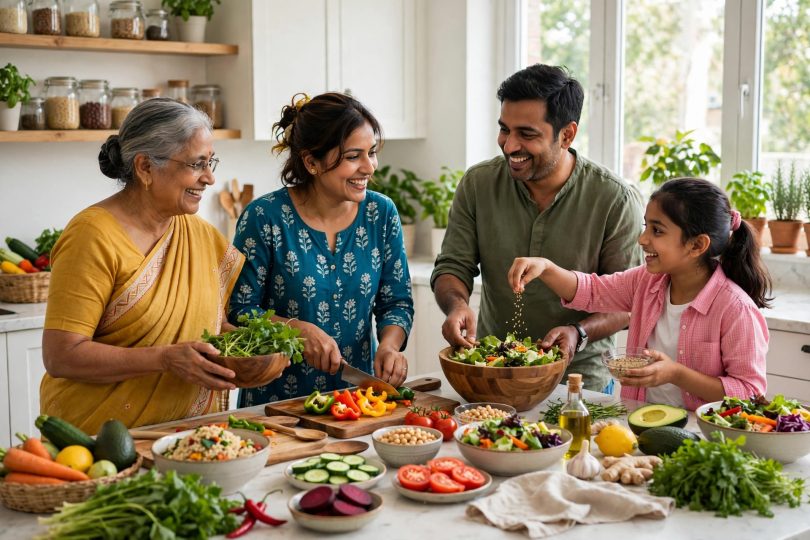

Keeping the whole family active is not easy when school, office work, household duties, and long travel hours fill the day. This is where fitness apps India families can download in minutes are quietly making a difference. With just a smartphone, parents, children, and grandparents can now count their steps, watch their sleep, and keep an eye on what they eat, without any expensive equipment or complicated routine.
The best part is that these apps are made for real life. They send gentle reminders to walk, show progress in simple charts, and turn healthy habits into a small daily game that everyone at home can join. In this article, we look at how Indian families use fitness apps to track steps, sleep, and food, and how you can start with one app and one simple habit at a time.
Why Fitness Apps Suit Indian Families So Well
Almost every home in India now has at least one smartphone, and most fitness apps work well even on budget phones. Many popular apps are free, use very little data, and support Indian languages, so even grandparents who are new to smartphones can follow them easily. Instead of each person trying alone, families can create groups inside the app, compare step counts, and encourage each other in a friendly way.
One Phone, Many Healthy Habits
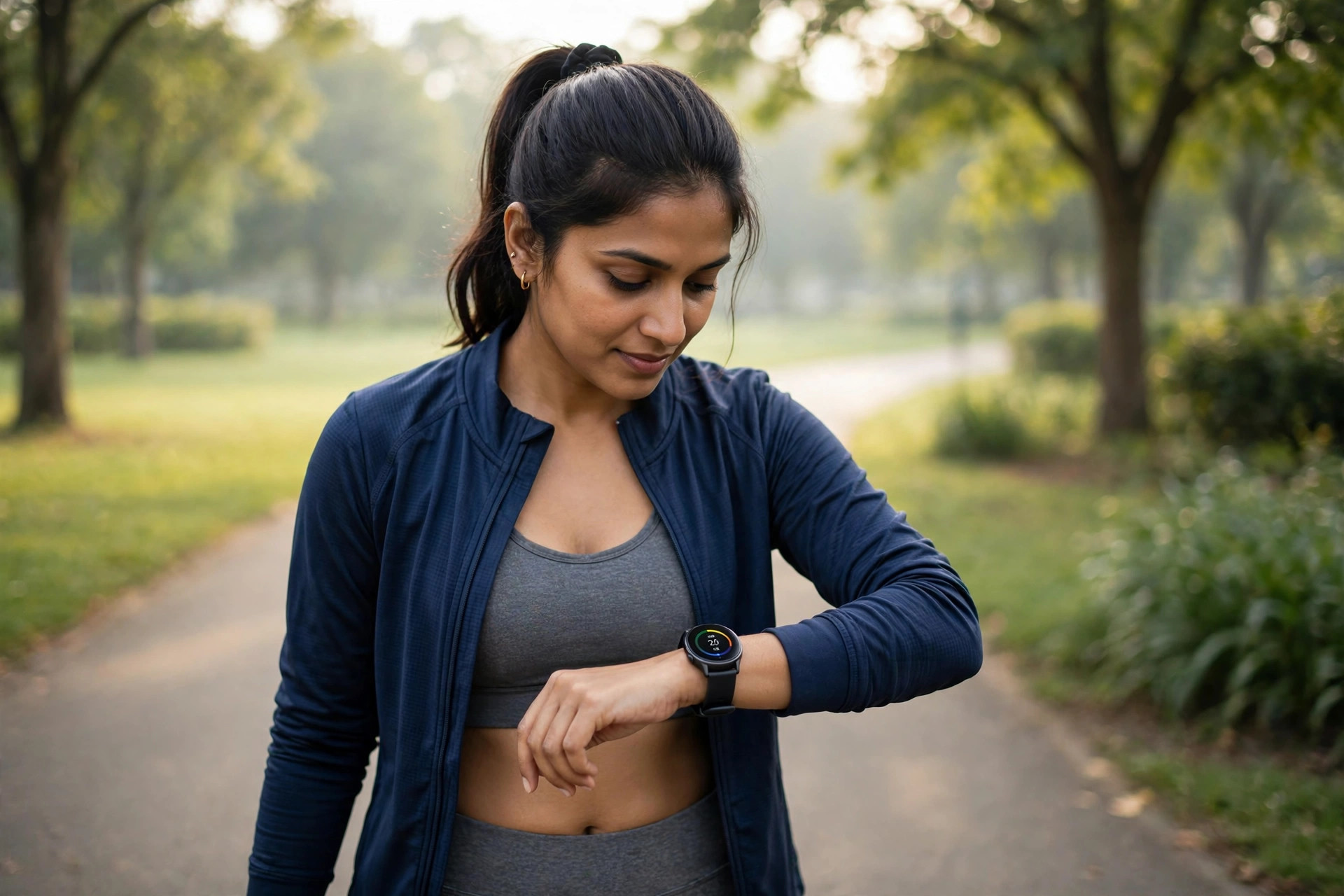
A single app can do the work of a diary, a coach, and a reminder bell. It can record a morning walk, remind you to drink water, note your lunch calories, and show how well you slept last night. When all this information sits in one place, patterns become clear. A father may notice he walks much less on work-from-home days, while a student may see that late-night phone use is hurting her sleep.
Motivation That Feels Like a Game
Badges, streaks, and weekly challenges sound small, but they work. Children love beating yesterday’s step count, and parents do not want to break a ten-day walking streak. This gentle competition keeps the family moving without anyone feeling forced or scolded.
Tracking Steps and Daily Movement
Step counting is the easiest place to begin. Most phones count steps automatically once the app is installed, so there is nothing to start or stop during the day. A common goal is 8,000 to 10,000 steps, but families should treat this as a direction, not a rule. Someone who walks 3,000 steps today can happily aim for 4,000 next week.
Evening walks after dinner are a perfect Indian family habit to pair with step tracking. A round of the colony, a walk to the market instead of taking the vehicle, or climbing stairs instead of using the lift can add a surprising number of steps. When the app shows the weekly graph rising slowly, the whole family feels proud together.
Simple Ways to Add More Steps
- Walk while talking on the phone instead of sitting
- Take a short ten-minute walk after lunch and dinner
- Park a little farther away, or get down one stop earlier
- Use stairs for two or three floors whenever possible
- Keep a fixed evening walk time for the whole family
Understanding Sleep With App Tracking
Good sleep is as important as exercise, and fitness apps help families see what they usually ignore. By keeping the phone nearby or wearing a simple fitness band, the app estimates sleep hours, deep sleep, and wake-up times. Over a few weeks, these records show whether late dinners, evening tea, or long screen time are disturbing rest.
Parents often discover that children sleep better on days with more physical activity. Working adults can see the cost of late-night work or scrolling. This kind of tracking is part of the wider world of health tech innovations helping Indian families stay fit, where small digital tools support everyday wellness at home rather than only inside hospitals.
Building a Calmer Night Routine
Apps can set a bedtime reminder, dim notifications after a chosen hour, and play soft sounds for relaxation. Families can agree on simple rules, like no phones at the dinner table and screens off thirty minutes before bed. When sleep hours improve, energy, mood, and concentration improve for everyone the next day.
Tracking Food the Indian Way
Food tracking sounds difficult because Indian meals are mixed dishes, not single items. Good fitness apps solve this by including large databases of Indian foods, from dal, sabzi, and roti to idli, poha, and biryani. Users can log a plate in seconds and see roughly how many calories, and often how much protein, the meal contains.
The goal is not strict dieting. It is awareness. Many people are surprised to learn how much sugar comes from daily tea, or how weekend snacks quietly add up. Once a family sees these patterns, small changes become easy: one less spoon of sugar, a smaller second helping, or adding a salad and curd to balance the plate.
Water and Weight Records
Most apps also track water intake with simple tap-to-add glasses, which helps during hot Indian summers when dehydration is common. Weekly weight entries, done calmly without daily pressure, show the long-term trend far better than random checks. Together, food, water, and weight records give a complete picture of family habits.
Staying Connected With Care When Needed
Fitness apps are for everyday wellness, but they also help families stay organised about health in general. Report storage, medicine reminders, and appointment notes inside health apps mean important information is not lost in a drawer. Behind the scenes, healthcare itself is becoming more digital and coordinated, as seen in how hospitals manage staff communication with WhatsApp Web to serve patients faster and more smoothly.
Please remember that apps show estimates for general wellness only; always consult a qualified doctor for diagnosis, treatment, and any medical decisions for your family.
Conclusion
The real strength of fitness apps is not technology; it is consistency. A phone that counts steps, a chart that shows improving sleep, and a food log that reveals small habits can slowly change how a family lives. No one needs to do everything from day one.
Start with one app, one goal, and one shared routine, like the evening walk. Within a few weeks, the numbers will begin to tell a happier story. With patience and teamwork, Indian families can use these simple digital tools to stay more active, sleep better, and eat with greater awareness, every single day.