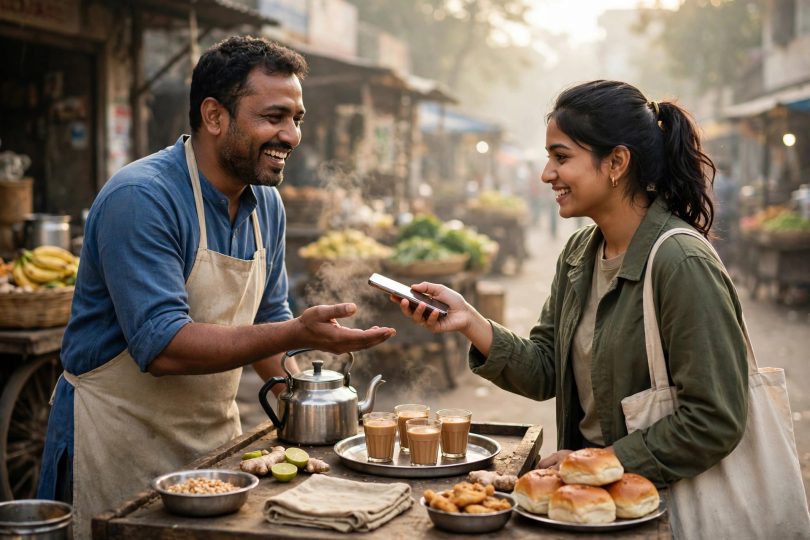

A few years ago, paying for a cup of tea meant searching your pockets for coins or waiting for change. Today, the same payment takes two seconds: scan a code, tap the phone, done. The growth of UPI payments India has quietly changed how the whole country handles money, from big metro cities to small villages. Street vendors, auto drivers, students, and grandparents all use the same simple system.
UPI, short for Unified Payments Interface, lets people send and receive money directly between bank accounts using just a mobile phone. There is no need to carry cash, remember account numbers, or wait for bank hours. In this article, we look at how UPI became a part of daily life, why it works so well for everyone, and the simple safety rules every user should follow.
How UPI Became Part of Everyday Life
UPI was launched in India in 2016 by the National Payments Corporation of India, and it has grown faster than almost anyone expected. The idea was simple: one system that connects all banks and all payment apps, so any person can pay any other person instantly. Apps like PhonePe, Google Pay, Paytm, and BHIM all work on the same UPI network, which means the sender and receiver do not even need the same app. Within a few years, the small printed QR code became a normal sight on shop counters across the country.
The QR Code on Every Counter
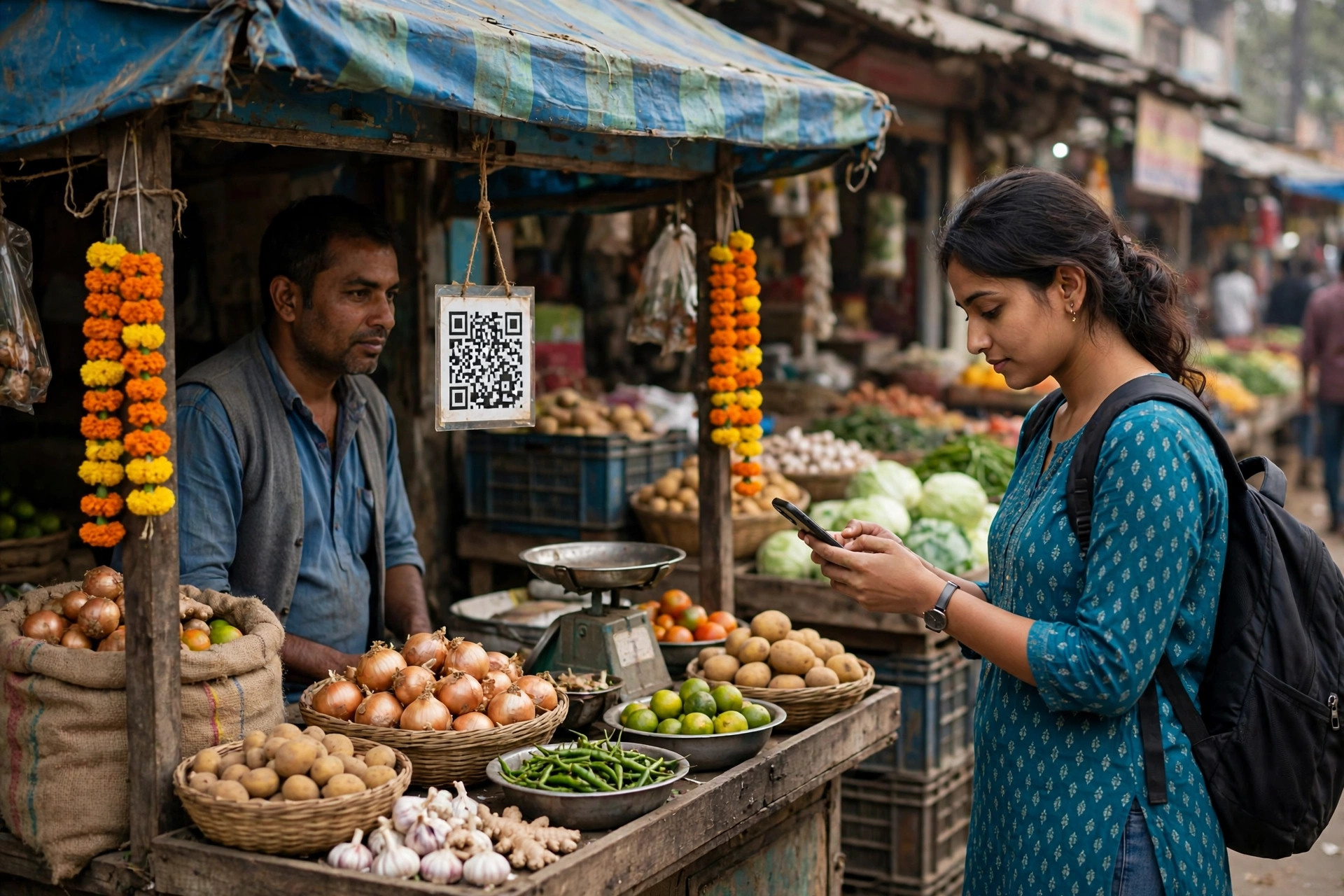
Walk through any market today and you will see QR codes everywhere: at the tea stall, the vegetable cart, the salon, and the pharmacy. A customer scans the code, enters the amount, confirms with a PIN, and the money reaches the shopkeeper’s bank account in seconds. Shopkeepers like it because there is no cash to count, store, or deposit at the bank. Customers like it because the exact amount is paid, with no worry about change.
Reaching Villages and Small Towns
The UPI story is not only about big cities. Cheap smartphones and low-cost mobile data have taken digital payments deep into rural India, where bank branches can be far away. Farmers check prices and receive payments on their phones, and families receive money from relatives working in cities within seconds. Many touching examples appear in stories about how Digital India is changing rural lives, where one phone often becomes the whole family’s bank, classroom, and post office combined.
Everyday Payments That Now Happen on UPI
What began as a way to send money to friends has become the default way to pay for almost everything. Most people now use UPI several times a day without even thinking about it. Common daily payments include:
- Groceries, vegetables, milk, and other small shopping
- Auto, taxi, bus, and metro fares
- Mobile recharges, electricity bills, and other utility payments
- School and coaching fees
- Sending money to parents, children, or friends
- Online shopping, food delivery, and movie tickets
- Payments to electricians, plumbers, tailors, and other local services
Paying bills on time has become especially easy. Many families pay the electricity bill the moment it arrives on their phone, and some combine this habit with smart home gadgets that save energy and money, so the bill itself stays smaller month after month. A clear record of every payment also stays saved in the app, which makes it simple to check past spending without keeping paper receipts.
Why UPI Works So Well for Everyone
Many payment systems exist in the world, but few have spread as quickly as UPI. Its success comes from a few practical strengths that ordinary people can feel every day.
Free, Fast, and Always On
For normal users, UPI payments are free. There is no charge for sending money to family or paying a shop. Transfers happen in seconds, at any hour, including Sundays and bank holidays. A worker can send money home at midnight, and a shopkeeper can accept a payment early in the morning before the bank opens. This always-on nature is a big reason people trust it for urgent needs.
One System for Every Bank and App
Earlier, sending money often meant sharing long account numbers and IFSC codes, and one small typing mistake could send money to the wrong place. With UPI, a simple ID or a phone number is enough. Because every major bank and app uses the same system, people are free to choose the app they like without worrying about whether the other person uses it too. Small features like payment history, instant balance checks, and quick repeat payments make the experience smoother still.
Stay Safe: Simple Rules to Prevent UPI Fraud
As UPI has grown, fraudsters have also become active. The good news is that almost all UPI fraud depends on tricking the user, not on breaking the system itself. A few careful habits can keep your money safe.
Protect Your PIN and Your Phone
Your UPI PIN is like the key to your bank account. Never share it with anyone, and never enter it on a website or a form sent through a message. Remember one golden rule: you need your PIN only to SEND money, never to RECEIVE it. If someone says you must enter a PIN or scan a code to receive a prize, a refund, or a payment, it is a scam. Also keep your phone locked, and do not leave banking apps open on a shared device.
Watch Out for Common Tricks
Fraudsters often call pretending to be bank staff or customer care executives and ask for OTPs, PINs, or card details. Real banks never ask for these details on a call. Be careful with customer care numbers found through random search results or social media posts; use only the official number inside your app or on your bank’s website. Never install screen-sharing or remote-access apps because someone on a call told you to, and think twice before accepting a “collect request” from an unknown person. If a deal looks too good to be true, it almost always is.
If you ever suspect a fraud, act quickly: inform your bank, use the in-app help option to report the transaction, and file a complaint on the national cyber crime helpline or portal. Fast reporting improves the chance of stopping the money before it disappears.
Conclusion
UPI has done something rare: it made advanced banking technology feel simpler than cash. It is free, instant, accepted almost everywhere, and open to anyone with a bank account and a phone. For millions of Indians, it has removed queues, delays, and dependence on carrying notes and coins.
The system will keep improving, with new features for small businesses, travellers, and people without smartphones. The user’s part is small but important: enjoy the convenience, follow the basic safety rules, and teach them to family members who are new to digital payments. Used wisely, UPI is one of the clearest examples of technology making everyday life in India easier.