
Staying healthy has always been a family priority in India, but busy schedules, long commutes, and rising medical costs often push fitness and preventive care to the background. The good news is that health tech India is changing this story. Affordable gadgets, easy mobile apps, and smart home devices are helping families track fitness, monitor basic health signs, and connect with doctors faster than ever before, all without leaving home.
From a simple fitness band on a student’s wrist to a blood pressure monitor used by grandparents, technology is quietly becoming a part of daily family life. In this article, we look at the most useful health tech innovations for Indian families, how they work, and how you can start using them in a safe and practical way.
Wearable Devices That Keep the Whole Family Moving
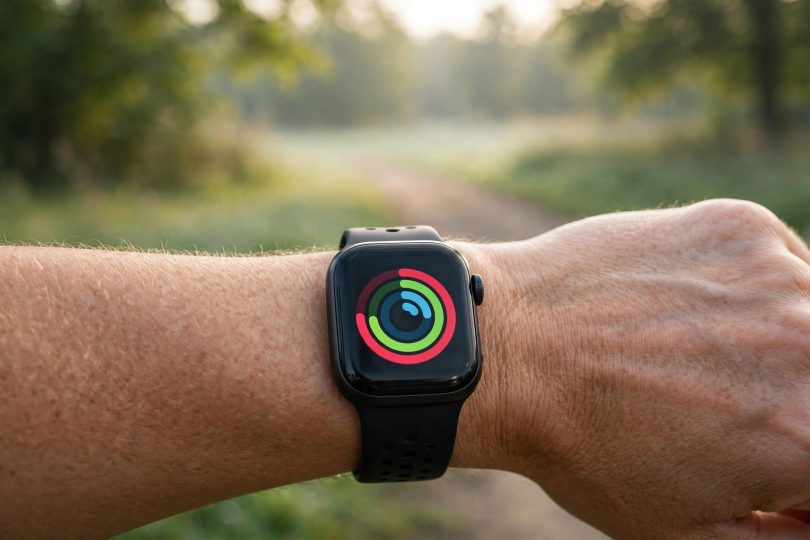
Wearable fitness trackers are often the first step into health technology for many households. These small bands and smartwatches count steps, measure heart rate, track sleep, and remind users to move after sitting for too long. For Indian families, where lifestyle diseases like diabetes and high blood pressure are increasingly common even among younger adults, these daily reminders can make a real difference.
Fitness Bands for Daily Activity
A basic fitness band can motivate every member of the family. Children enjoy competing on step counts, working parents get gentle alerts to stretch or walk, and senior citizens can keep an eye on their daily activity without any complicated setup. Many popular models in India are priced within reach of middle-class families and work smoothly with both Android and iOS phones.
Smartwatches With Health Features
Smartwatches go a step further. Along with activity tracking, many models offer blood oxygen (SpO2) readings, stress tracking, ECG in select models, and fall detection for elderly users. These readings are not a replacement for medical testing, but they help families notice unusual patterns early and discuss them with a doctor at the right time.
Many families turn tracking into a friendly group activity. Weekend step challenges between parents and children, shared sleep goals, or a simple family chart of weekly walking distance can make fitness feel less like a duty and more like a game. When healthy habits become a shared routine, everyone is more likely to stick with them through the year.
Health Apps and Online Consultations
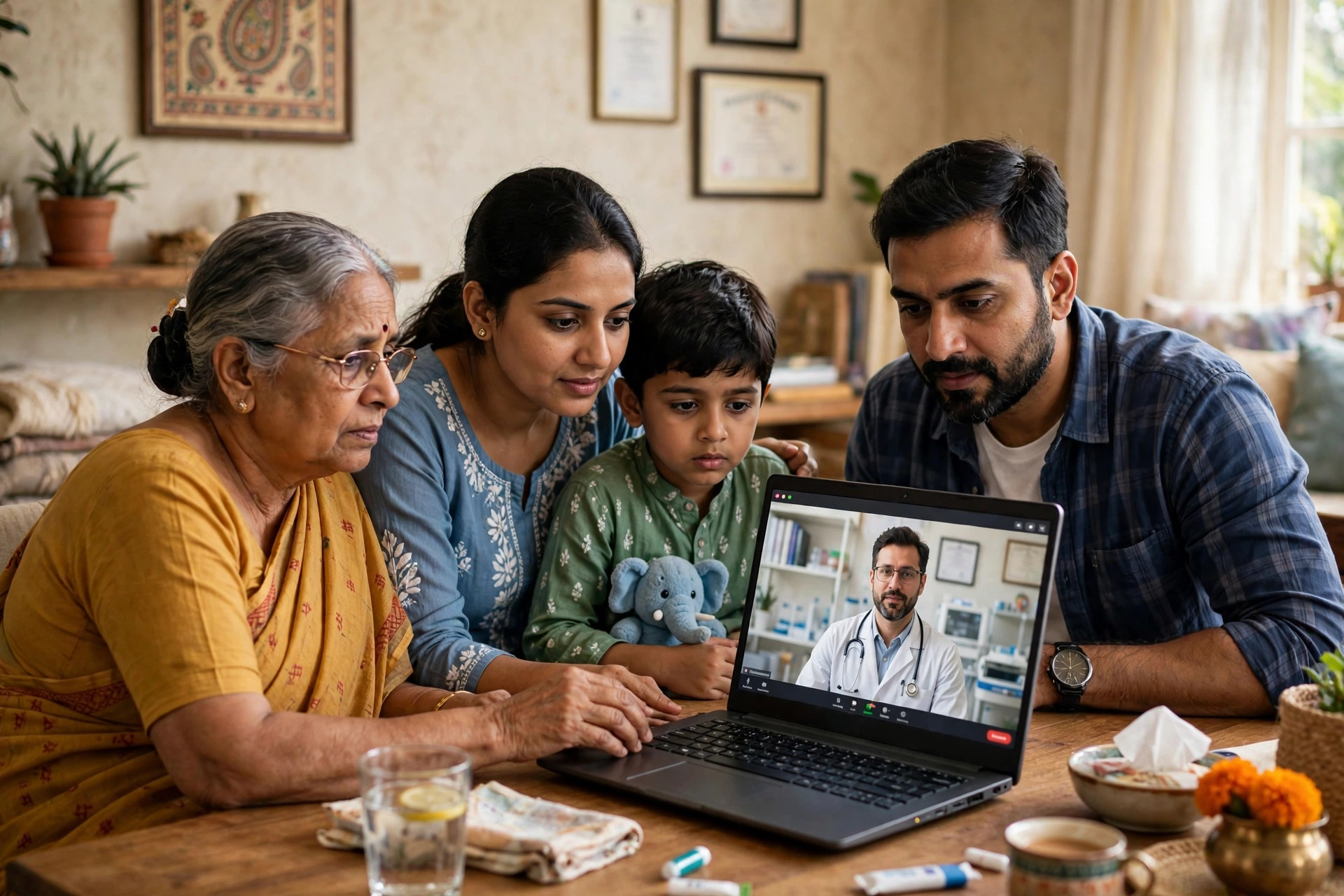
Smartphones have turned into personal health assistants. Health apps help families store medical reports, set medicine reminders, book lab tests, and even consult doctors through video calls. For families living far from big hospitals, or for elderly parents living alone in another city, these apps remove the stress of travel for small health questions and routine follow-ups.
Hospitals themselves are also adopting simple digital tools to work better behind the scenes. Better systems for managing hospital staff communication with WhatsApp Web show how even familiar apps can improve coordination between doctors, nurses, and support teams, which ultimately means faster and smoother care for patients.
Medicine Reminders and Digital Records
Forgetting a daily tablet is common, especially for grandparents managing multiple medicines. Reminder apps send alerts at the right time and can notify a family member if a dose is missed. Digital record apps keep prescriptions, blood reports, and vaccination details in one place, which is extremely helpful during emergencies or when changing doctors.
Telemedicine for Quick Guidance
Online consultations are useful for follow-up visits, minor symptoms, diet advice, and second opinions. They save time and money, and they encourage people to seek guidance early instead of ignoring small problems. For serious symptoms, however, an in-person visit to a hospital remains essential.
Mental Wellness and Sleep Apps
Health is not only physical. Guided meditation apps, breathing exercises, and sleep-tracking tools are helping students handle exam stress and helping working adults unwind after long days. A calmer mind and better sleep improve energy, focus, and immunity, which benefits the entire family. Even ten minutes of guided relaxation before bed can become a healthy shared ritual at home.
Smart Health Devices for the Home
Home health devices have become smaller, smarter, and easier to use. A digital blood pressure monitor, a glucometer for sugar testing, a pulse oximeter, and a smart thermometer now fit in a single drawer. Connected models can save readings in an app, making it easy to show trends to your doctor during the next visit.
Home-based therapy devices are also growing. Light-based treatments, for example, are now offered in compact formats for certain skin concerns; readers who want to understand the science and process can read this detailed guide on UVB phototherapy treatment before discussing such options with a dermatologist.
Devices Every Family Should Consider
- Digital BP monitor for regular blood pressure checks at home
- Glucometer for families managing diabetes or prediabetes
- Pulse oximeter for quick oxygen and pulse readings
- Smart weighing scale that tracks weight trends in an app
- Fitness band to keep daily movement visible and motivating
How Families Can Use Health Tech Safely
Technology works best when it supports, rather than replaces, medical advice. Families should buy devices from trusted brands, check that readings are taken correctly, and review trends instead of worrying about a single number. Sharing weekly summaries with your family doctor during routine visits is a smart habit.
It is equally important to protect health data. Use apps with clear privacy policies, avoid sharing medical reports on public platforms, and keep devices updated. A balanced approach, combining daily movement, home-cooked food, regular check-ups, and helpful technology, gives the best results.
Cost is another practical point in favour of families. Entry-level trackers and home devices are now cheaper than a single diagnostic visit in many cities, and they keep working every day for years. Sharing one set of home devices among all family members keeps the investment small and the benefit large.
Please remember that apps and gadgets only provide general wellness information; always consult a qualified doctor for diagnosis, treatment, and any medical decisions for your family.
Conclusion
The rise of health tech in India is a genuinely positive development for families. Wearables encourage daily movement, apps bring doctors and records closer, and smart home devices make regular monitoring simple for every generation. None of these tools need to be expensive or complicated to be useful.
Start small: pick one device or app that solves a real need in your home, use it consistently, and build healthy habits around it. With the right mix of technology, awareness, and timely medical guidance, Indian families can stay fitter, calmer, and better prepared for a healthier future.