

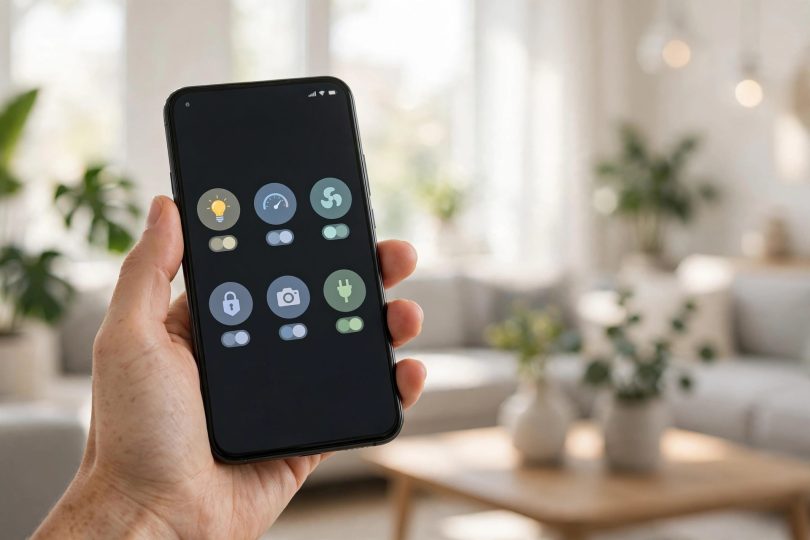

Electricity bills can feel unpredictable, especially during long Indian summers when fans, coolers, air conditioners, refrigerators, and water pumps all seem to work at once. The good news is that smart home gadgets India homeowners can buy today are no longer luxury toys. Many are practical tools that show where power is being used, switch devices off at the right time, and make everyday routines more efficient.
The best approach is not to fill a house with technology in one weekend. Start with appliances that run for the longest hours, measure the result, and add another device only when it solves a real problem. Better control of an air conditioner, geyser, or outdoor light can make a visible difference every month.
This guide explains the most useful options for Indian families, how to choose them, and how to avoid common mistakes. It also focuses on habits, because the smartest gadget cannot compensate for an air conditioner set too cold, a geyser left on all morning, or lights shining in empty rooms.
Start by Finding Where Your Electricity Goes
Before buying anything, read your meter at the same time for a few days and note which appliances were used. Compare old bills for seasonal patterns and look for devices that stay plugged in continuously. This small audit shows whether cooling, water heating, lighting, refrigeration, or standby power deserves attention first.

Use Your Electricity Bill as a Planning Tool
Most families notice only the final amount, but the number of units consumed is more useful. If consumption rises sharply in May and June, cooling is probably the priority. If winter bills remain high, water heating may be the main load. A sudden increase without a change in routine can also point to an ageing refrigerator, a faulty pump, or an appliance that needs servicing.
Some smart plugs and energy monitors display live wattage and daily consumption. Test one major appliance for a week. You may discover that a desktop, television setup, or old cooler uses more power than expected, helping you spend where the payback period is shortest.
Set One Clear Saving Goal
Choose a realistic target, such as reducing lighting hours, preventing the geyser from overheating water, or lowering air-conditioner use by thirty minutes a day. Review the result after one full billing cycle, remembering that weather and guests can change consumption.
Smart Lighting That Switches Itself Off
Lighting is the easiest place to begin because LED smart bulbs and switches are widely available and simple to install. They can be grouped by room, dimmed, scheduled around sunrise and sunset, and controlled from a phone. Porch, staircase, balcony, and parking lights benefit greatly from timers or motion sensors because they are commonly forgotten.
Smart Bulbs, Switches, and Sensors
A smart bulb is ideal for one or two important points, such as a bedside lamp or entrance light. For a room with several fittings, a smart switch may be more economical because it controls the existing lights together. It also keeps normal wall-switch convenience, which matters when children, parents, or guests are not comfortable using an app.
Motion sensors work well in passages, bathrooms, staircases, and store rooms. Set them to switch off after a short delay. Daylight sensors can prevent garden lights from operating when natural light is already sufficient.
- Replace failed bulbs with efficient LED lamps before adding smart controls.
- Use timers for outdoor and decorative lights instead of leaving them on all night.
- Group lights by actual use, such as study, entrance, and living room.
- Choose warm, comfortable light for bedrooms and brighter neutral light for work areas.
- Keep at least one ordinary, easy-to-use switch for every essential room.
Control Cooling Without Losing Comfort
Cooling often decides the size of an Indian summer electricity bill. Ceiling fans use far less power than air conditioners, so use them properly before replacing equipment. A fan cools people, not an empty room, so switch it off when leaving.
Use Air Conditioners at a Sensible Temperature
Set an air conditioner around 24 to 26 degrees Celsius. Lower settings make the compressor work harder. Use sleep timers, clean filters regularly, close curtains during harsh afternoon sun, and seal gaps around doors. A smart controller can add scheduling and remote switch-off, but it cannot fix poor maintenance.
Smart fans and regulators make speed changes easier and can stop fans running at full speed after a room becomes comfortable. When replacing an appliance, compare BEE star ratings and annual consumption, not purchase price alone.
Keep Heat Out Before Cooling the Room
Reducing heat entering the home lowers the load on every cooling device. Reflective curtains, external shading, roof insulation, and well-sealed windows can help. Homes planning upgrades can also look at energy-efficient windows for modern homes as part of a wider approach to insulation and comfort.
Smart Plugs, Timers, and Better Water Heating
Water heaters, pumps, aquariums, chargers, entertainment units, and office equipment often consume electricity according to forgotten routines. A correctly rated smart plug or timer can start a geyser shortly before bathing time and turn it off automatically. It can also stop a motor pump from overflowing a tank when paired with a suitable controller and safe installation.
Choose the Right Rating and Protect Safety
Never connect a heavy appliance to a plug that is not rated for its load. Check voltage, current, earthing, and the manufacturer’s instructions, and use a qualified electrician for fixed wiring or high-load equipment. Smart control should never bypass a thermostat, float switch, pressure safeguard, or other safety protection.
Do not automatically switch off routers, medical equipment, refrigerators, or security systems. A television, set-top box, speaker, and game console can often share a controlled power strip instead.
Families that enjoy following new connected-home ideas can explore smart tech updates and resources before choosing brands or ecosystems. Compatibility matters: confirm whether a product needs a hub, works with your Wi-Fi band, and can still be operated manually during an internet outage.
Connect Devices Carefully and Buy with Confidence
A connected home may include voice assistants, cameras, locks, doorbells, and appliances from several brands. Choose a small number of trusted platforms, name devices clearly by room, and remove products that family members never use.
Build a Reliable Home Network
Many smart plugs and bulbs use 2.4 GHz Wi-Fi. Follow the setup instructions and place the router so distant rooms receive a stable signal. Weak Wi-Fi can cause delayed commands, so reliable manual switches remain important.
Readers interested in the wider digital side of connected living can learn more about cloud technology and digital tools and how online services support modern devices. Whatever platform you choose, use a strong Wi-Fi password, enable two-step verification where available, install updates, and change default passwords on cameras and routers.
A Simple Buying Plan for Indian Homes
Begin with one energy monitor or smart plug and study a major appliance. Next, automate the most forgotten lights. Then improve cooling schedules and geyser timing. Keep a note of the purchase price, installation cost, and monthly unit consumption so you can judge whether each device is earning its place.
Buy during a sale only when the model, warranty, and seller are right. Prefer products with Indian plugs, local service, and clear ratings. For wiring changes, budget for a licensed electrician.
Conclusion
Smart home technology saves money when it targets real energy use: cooling efficiently, heating water only when needed, switching off forgotten lights, and revealing appliances that consume too much. It also saves time and adds comfort, but those benefits should support, not replace, sensible habits.
Start small, measure honestly, and expand one successful routine at a time. With efficient appliances, thoughtful schedules, safe installation, and regular bill reviews, Indian families can enjoy a more comfortable home while keeping electricity firmly under control.

