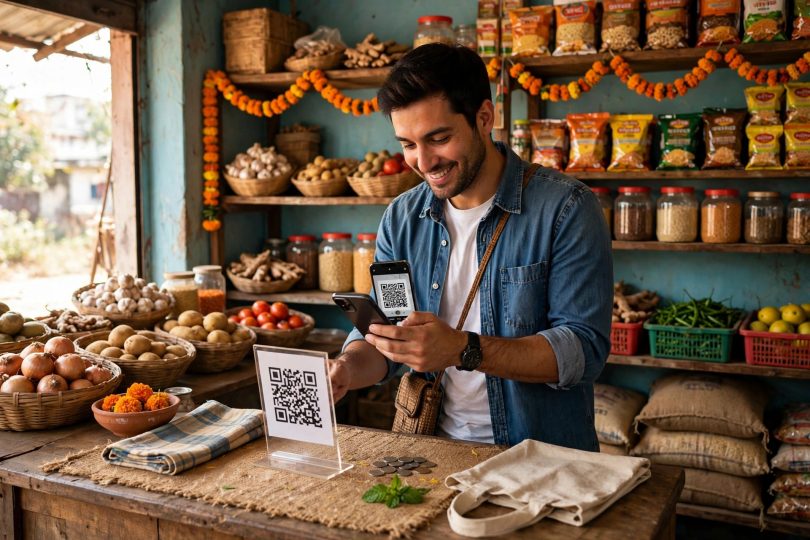

Paying the vegetable seller, splitting a lunch bill with friends or sending money home to parents once took cash, queues and planning. Today, a phone and a few seconds are enough. Few changes in everyday life have spread as happily as digital payments in India, powered by UPI, the instant payment system that lets anyone transfer money between bank accounts free of cost, at any hour. From metro cities to small villages, crores of Indians now pay with a quick scan and a reassuring success sound. This is the story of how UPI made life simpler, how it helps families and small businesses, and how to use it safely.
The UPI Story: One System, Every Payment
UPI, short for Unified Payments Interface, was built in India to solve an Indian problem: how to move money instantly between different banks without fees, cards or complicated details. The answer turned out to be beautifully simple. Link your bank account to an app, create a secure PIN, and you can pay anyone using a mobile number, a UPI ID or a printed QR code. No wallet needs loading, and the money moves directly from bank to bank in seconds.
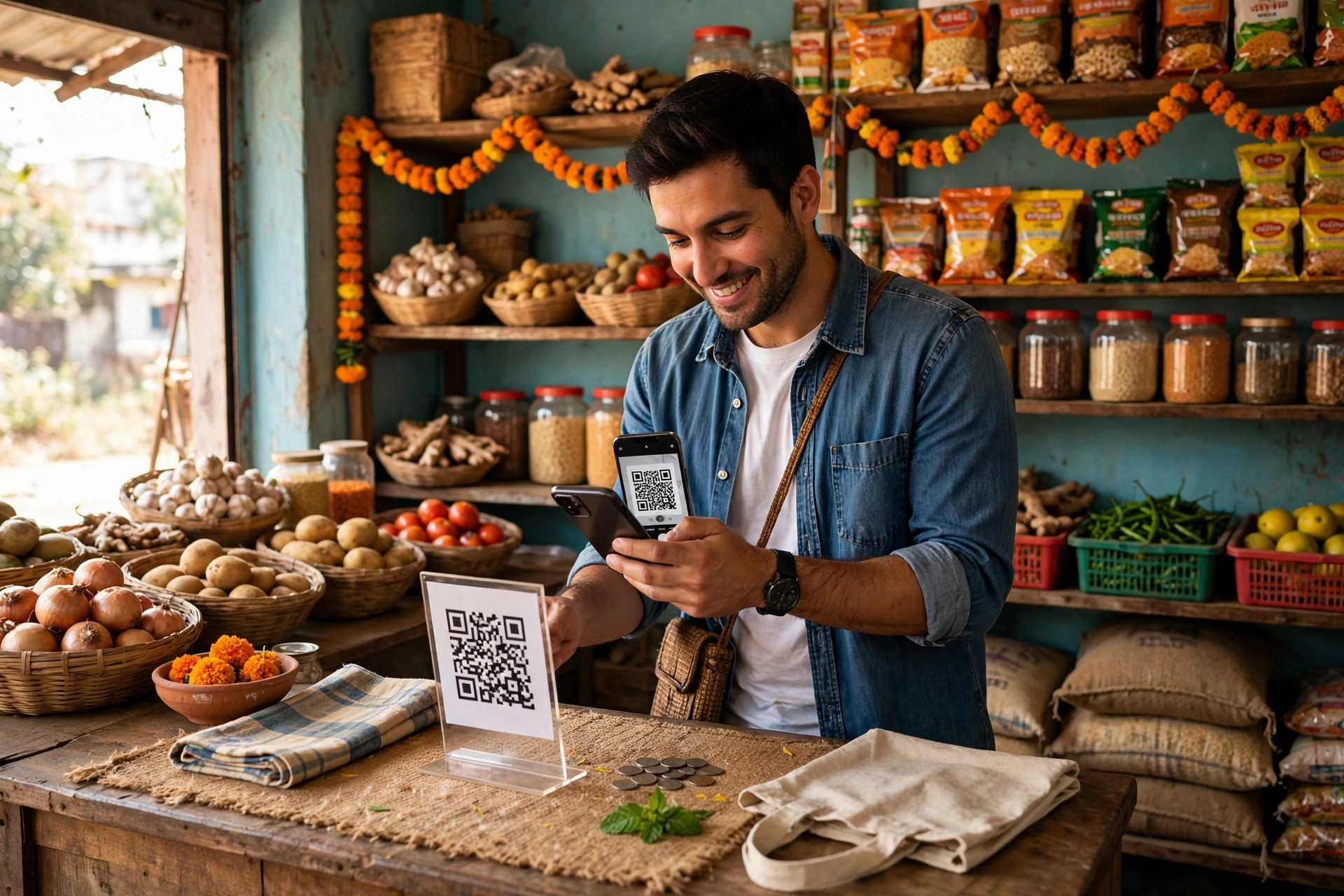
Because the system is shared and open, the same QR code at a tea stall works with almost every payment app. This one decision made digital payments in India easy to adopt for both customers and the smallest merchants, who needed nothing more than a printed code and a basic phone to start accepting money digitally.
How Digital Payments Make Daily Life Easier
For Families, Students and Travellers
For households, UPI removed the stress of exact change and emergency cash. Parents receive money from children working in other cities within seconds, students pay fees and canteen bills without carrying wallets, and travellers book autos, buy tickets and pay at highway stalls with confidence. Every payment leaves a clear record in the app, which quietly helps families track spending and settle shared expenses without confusion or arguments.
For Shopkeepers and Small Businesses
For small businesses, digital payments in India have been a genuine blessing. A payment received digitally cannot be a counterfeit note, needs no trip to the bank for change, and builds a transaction history that can later help the shopkeeper qualify for a formal loan. Street vendors, salon owners, tutors and home-based sellers all describe the same benefit: customers who forgot cash earlier now simply scan and pay, so fewer sales are lost. Many such everyday success stories feature in our Positive News India section.
There is a quieter benefit too: transparency. When wages, pensions and government benefits arrive directly into bank accounts and everyday spending happens digitally, leakages shrink and records become cleaner. Street vendors who once kept mental accounts now end the day with an exact digital summary of sales. Salaried workers paying rent or school fees get instant proof of payment, ending disputes that once depended on lost paper receipts. Small conveniences, added across crores of daily transactions, become a national habit of clarity.
Simple Safety Rules for Secure Payments
UPI is safe when used with a little care. A few golden rules protect almost everyone:
- Your UPI PIN is only for paying money, never for receiving it. Anyone who asks for your PIN to “send” you money is trying to cheat you.
- Never share OTPs, PINs or screen-sharing access with callers claiming to be from a bank or company.
- Check the name shown on the screen before confirming a payment, especially when scanning a new QR code.
- Keep your payment apps updated and protected with a phone lock, and download apps only from official stores.
- For a refund, wait for it to arrive on its own; genuine refunds never require you to enter a PIN.
Teaching these rules to parents and grandparents is one of the kindest digital gifts a young person can give. More practical technology explainers like this one are available on our Blog page.
Digital Payments Reach India’s Villages
The happiest chapter of this story is unfolding outside the big cities. In villages and small towns, where bank branches are far and cash once ruled everything, QR codes now appear at fertilizer shops, dairy collection points and weekly markets. Farmers receive payments directly into bank accounts, women running self-help groups collect contributions transparently, and migrant workers send earnings home instantly instead of depending on costly middlemen. Assisted models, where a trusted local shopkeeper helps elders make payments, have made digital payments in India feel friendly rather than frightening for first-time users.
Paying It Forward: Teach Someone This Week
Progress spreads fastest when people teach each other. If you are comfortable with UPI, consider spending fifteen minutes this week helping someone who is not: a parent who still travels to the bank for small work, a domestic worker who receives wages in cash, or an elderly neighbour unsure about scanning codes. Show them one payment, explain the PIN rule, and let them practise with a tiny amount while you watch. That small act of teaching multiplies the benefits of digital payments in India far beyond your own phone, and it turns a national technology story into a neighbourhood one.
What the Future Holds
Innovation continues on top of this strong base. Payments are being linked with feature phones and voice-based methods for users without smartphones, small offline payments help in areas with weak internet, and UPI connections with other countries are beginning to make life easier for Indian travellers and families with members abroad. Each step widens the circle of people who can join the digital economy safely and with dignity.
A Small Scan That Changed a Country’s Habits
Digital payments in India show what happens when technology is designed for everyone, not just the privileged few. A fruit seller, a student, a grandmother and a startup founder now use the same simple system with the same confidence. It saves time, creates records, builds trust and quietly pulls millions into the formal economy. The next time you hear that little success sound after a scan, remember: it is also the sound of a country paying its way forward, together. Keep reading Optimist India for more stories of everyday progress.