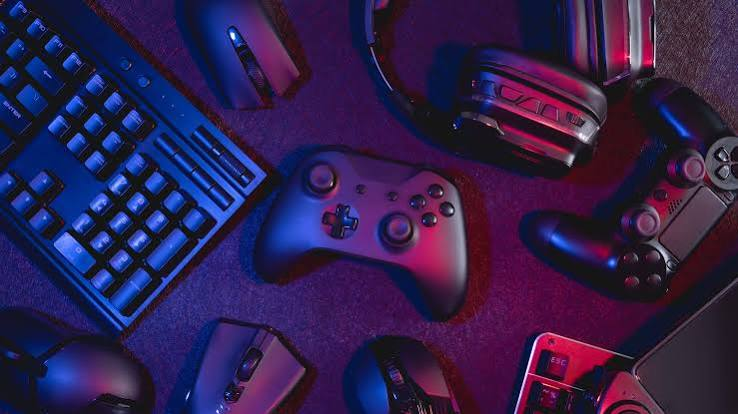

Ask a slot gacor player about crossplay and you might hear, “I keep getting destroyed by PC players with perfect aim.” Ask a PC player and you’ll likely hear, “Aim assist does half the work for them.” Both feel cheated. Both have a point. And both, in most cases, still want crossplay to exist because it fills lobbies and lets them play with friends.
So is mixing platforms fair? Let’s look at why crossplay became the norm, what it does well, and where the fairness debate genuinely bites.
Why Crossplay Became the Norm
Not long ago, players were locked into their platform’s community. Your console friends couldn’t join your PC lobby, and that was that.
Today, crossplay is common in many popular multiplayer games, especially free-to-play titles and shooters. The reasons are fairly practical:
- Bigger player pools mean faster matchmaking and healthier games over time.
- Friends stay together even when they own different hardware.
- Games last longer because one platform’s shrinking community can be propped up by others.
For developers, splitting a community into separate islands is risky. Crossplay keeps everyone in one ecosystem.
The Big Upsides for Players
Most of crossplay’s benefits are felt quietly, in matches that simply work.
Faster Queues
Larger player pools help matchmaking find balanced games quickly, especially in less popular modes or regions.
Playing With Friends
This is the big one. Your cousin on console, your friend on PC and you on a different system can finally squad up. For many players, that alone outweighs every downside.
Cross-Progression
Many crossplay games also share progress and purchases between platforms, so you can switch devices without starting over.
The Fairness Problem: Mouse vs Controller
Here’s where crossplay gets controversial. A mouse and a controller are fundamentally different tools.
Mice allow fast, precise flicks and very accurate tracking. Controllers rely on thumbsticks, which are less precise for quick target changes but comfortable and consistent. Neither is objectively “better” in every situation, but in fast shooters the mouse often gives a raw precision advantage.
PC players can also run higher frame rates on powerful hardware, which can feel smoother and more responsive. Some console players argue that makes things uneven before aim even comes into it.
Honestly, I’ve played on both. On controller, close-range fights felt great, but long-range flicks felt like steering a shopping trolley. On mouse, long-range fights felt effortless, but I missed the sticky comfort of aim assist up close.
Aim Assist Debate
Aim assist exists to help controller players compete. It slows your crosshair near targets or nudges it to follow movement slightly. Without it, controller players would be at a heavy disadvantage against mice.
The debate is about how strong it should be. Many PC players argue it’s too forgiving at close range, effectively helping controller users track targets better than most humans could manually. Many controller players argue it’s a fair balancing tool that still doesn’t match a skilled mouse player.
Developers tweak aim assist strength regularly, and every change sparks fresh arguments. It’s probably the most contested part of crossplay pros and cons in shooters today.
Opting Out and Input-Based Matchmaking
Many games now let players manage crossplay rather than forcing it on everyone.
- Crossplay toggles let some console players stick to console-only lobbies, though this can increase queue times.
- Input-based matchmaking groups players by controller or mouse rather than by platform. A controller user on PC might be matched with console players, for example.
- Ranked separation in some games keeps competitive modes split while casual modes stay mixed.
My take? Input-based matchmaking is the fairest compromise in competitive shooters. It addresses the real issue, input differences, without splitting friends up purely by hardware.
What Developers Can Still Improve
There’s room for better solutions. Clearer slot depo 5k labels showing each player’s input device would reduce a lot of suspicion and blame. More transparent patch notes about aim assist changes would help players understand what actually shifted. And separate ranked queues by input, kept optional for casual modes, could satisfy both camps without splitting friend groups.
Players can help too. Instead of assuming every loss to a different platform was unfair, it’s worth checking replays. Sometimes the other player simply positioned better, and that has nothing to do with hardware.
FAQ
Is crossplay unfair for console players?
It can feel unfair in shooters where mouse precision matters. Aim assist, input-based matchmaking and opt-out options help balance things.
Can I turn off crossplay?
Many games offer a crossplay toggle, especially for console players. Disabling it may make matchmaking slower.
What is input-based matchmaking?
It matches players by input device, controller or mouse and keyboard, instead of by platform, aiming for a fairer competitive environment.
Crossplay isn’t perfectly fair, and it probably never will be. But the benefits, bigger lobbies and playing with friends anywhere, outweigh the downsides for most people. Use the toggles wisely, push for input-based matchmaking in competitive modes, and enjoy the bigger party.