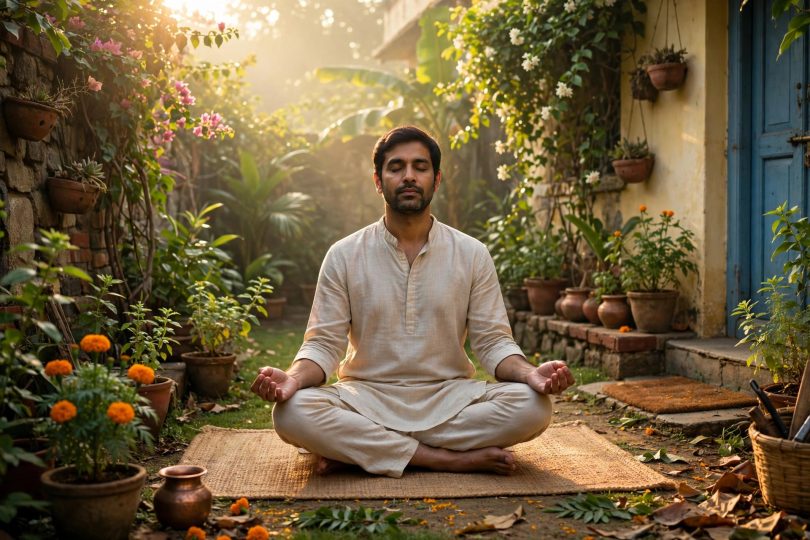

For a long time in India, mental health was something people suffered in silence. Stress, anxiety and depression were dismissed as weakness, or hidden because families feared what neighbours might say. That silence is finally breaking. Mental health awareness in India is growing rapidly, as celebrities, doctors, teachers and ordinary families speak openly about emotional struggles and the help that works. Mental health awareness in India matters because millions of people, from school students to elderly grandparents, face pressures they were never taught to name, let alone handle. This article explains what mental health really means, the signs to watch for, where to find support, and how each of us can help break the stigma.
What Mental Health Really Means
Mental health is not simply the absence of illness. It is our emotional, psychological and social well-being: how we handle stress, relate to others and make decisions. Just as physical health needs food, exercise and rest, mental health needs sleep, connection, purpose and ways to cope with setbacks. Everyone has mental health, and everyone has difficult periods. Feeling anxious before an exam or sad after a loss is normal. It becomes a concern when low mood, worry or fear persists for weeks, interferes with work, study, sleep or relationships, and does not lift on its own.
Common conditions in India include anxiety disorders, depression, stress-related problems and sleep difficulties. They are medical conditions, not character flaws, and they respond well to treatment. Yet surveys consistently show that a large majority of Indians who need help never receive it, largely because of stigma, cost and lack of awareness about where to go.
Why Awareness Is Rising Now
Several forces have pushed mental health into the open. The pandemic forced families to confront isolation, grief and job loss together, and conversations about anxiety became normal in homes that had never had them. Social media, for all its problems, has given young Indians a language for their feelings and communities where they are not alone. Schools and workplaces are slowly adding counsellors, and India’s mental healthcare law now recognises the right to access care and protects people from discrimination.
Public figures speaking about their own therapy or burnout have helped enormously. When a well-known actor or cricketer says they sought help, it gives ordinary people permission to do the same. Awareness campaigns in colleges, offices and villages are teaching people that asking for help is a sign of strength, not failure.
Signs You or Someone You Love May Need Support
Knowing the warning signs helps you act early, when support is most effective. Watch for lasting changes rather than a single bad day.
- Persistent sadness, emptiness or loss of interest in things once enjoyed, lasting more than two weeks
- Constant worry, restlessness or panic that interferes with daily life
- Major changes in sleep or appetite, or withdrawing from friends and family
- Difficulty concentrating, remembering things or making simple decisions
- Feeling worthless or hopeless, or thoughts of harming oneself
If you notice these signs in yourself or someone close, take them seriously. A trusted friend, family member, teacher or doctor is a good first person to talk to. If someone talks about harming themselves, stay with them, listen without judgement, and help them reach professional support or a helpline immediately.
Where to Find Help in India
Help is more available than most people realise. Government hospitals and district mental health programmes offer low-cost or free consultations, and many cities now have affordable counselling clinics. Tele-counselling has made support reachable even in small towns: a phone or video session with a trained counsellor can be the first step, and families who have used remote consultations know how convenient they can be. Our earlier article on telemedicine in India explains how video consultations work and what to expect from them.
Free and low-cost helplines operate across the country for people in distress, and several non-profit organisations run support groups and community programmes. If cost is a barrier, ask a doctor or counsellor about subsidised options; many professionals reserve slots for people who cannot pay full fees. Schools and colleges increasingly have counsellors, and workplaces are beginning to offer employee assistance programmes. The key step is simply asking: once you tell one trusted person, the path to help usually becomes much clearer.
Daily Habits That Protect Mental Health
Professional help matters, but everyday habits build resilience. Regular sleep, physical movement and limited late-night screen time improve mood more than most people expect. Talking openly with friends, spending time in nature, and keeping one hobby purely for joy all help. For students and young workers, breaking large goals into small steps reduces the overwhelm that feeds anxiety. Limiting doom-scrolling and comparing yourself with curated lives online protects self-esteem, especially for teenagers.
Families play a central role. A home where feelings can be spoken without ridicule is the strongest protection a child can have. Parents who listen first and advise second, who treat exam stress as real rather than dramatic, raise children far more likely to seek help early. For more guidance on wellbeing and healthy living, browse the Health section of this site.
How to Support Someone Who Is Struggling
You do not need expert knowledge to help. Listen without interrupting or rushing to fix things, and avoid phrases like “just be positive” or “others have it worse”, which shut conversations down. Instead, say that you are glad they told you, ask how you can help, and encourage professional support gently and repeatedly. Practical help counts too: accompanying someone to their first appointment, checking in regularly, or helping with daily tasks during a low period can make a real difference.
At work or in college, small kindnesses matter. A manager who notices a struggling colleague and offers flexibility, or a teacher who spots a withdrawn student and asks a caring question, can change a life’s direction. Communities, religious groups and neighbourhood associations can also become safe spaces when they speak about mental health with compassion rather than judgement.
Breaking the Stigma, One Conversation at a Time
Stigma survives on silence, and every honest conversation weakens it. Talking about therapy the way we talk about visiting a doctor for diabetes normalises care. Schools teaching emotional literacy, media portraying mental illness responsibly, and employers treating mental health days as legitimate sick leave all push the culture forward. Change is already visible: young Indians are far more willing than their parents’ generation to name their struggles and seek help.
The road ahead still needs work. India needs more trained professionals, especially in rural areas, and more affordable services. But awareness is the foundation, and it is growing every day. Mental health awareness in India will keep rising as long as ordinary people keep speaking, listening and refusing to be ashamed.
Conclusion
Your mind deserves the same care as your body. If you are struggling, reaching out is brave, not weak, and help exists even when the first step feels hard. If someone you love is struggling, your patience and listening may be the support they remember most. Share this article, start one honest conversation today, and explore OptimistIndia for more stories of hope, health and positive change across the country.