
Ever spent twenty minutes scrolling through channels and still found nothing worth watching? That’s basically the cable experience for most people now. Hundreds of channels, and somehow half your family is still fighting over the remote for something decent to put on.
This is exactly why IPTV has quietly taken over so many living rooms. It’s not some tech trend for gadget lovers, it’s just a smarter way to get TV, movies, and regional content without the clutter of cable forces on you. One app, way more choice, and none of the usual runaround with technicians or contracts.
If you’ve been curious about making the switch but weren’t sure where to start, this guide covers exactly what an IPTV subscription is and how to pick one that actually works for your household.
What Is an IPTV Subscription
Let’s keep this simple. IPTV just means you watch TV through the internet instead of a cable wire or a satellite dish. That’s it. No dish on your roof, no cable guy coming to your house, no extra box taking up space near your TV.
You get an app. You put in your login. And boom, you have channels, movies, and shows right there on your phone, your smart TV, or a small streaming stick. It works pretty much anywhere you have decent internet.
The word “subscription” just means you pay for a plan, kind of like Netflix, but instead of just movies, you also get live TV channels from all over the world. Sports, news, cartoons, regional shows, all sitting in one single app.
Why People Are Leaving Cable Behind
Nobody really likes cable anymore, if we’re being honest. You pay a lot every month, and most of what you’re paying for just sits there unused. Nobody in your house is watching that random cooking channel from three states away.
People are tired of that. They want to pay for what they actually watch, not some giant bundle stuffed with channels nobody asked for. And that’s basically the whole reason IPTV has grown so fast.
Here’s a quick list of reasons why folks are making the jump:
- You stop paying for channels your family never watches
- Setup takes minutes, no waiting around for a technician
- Works on phones, tablets, Firesticks, and smart TVs
- Regional and language channels are way easier to find
- Most providers let you try it free before you pay
- No long boring contracts tying you down for years
None of this means you get less content either. Honestly, most people end up with way more channels and movies than what cable ever gave them, and at a lower price too.
Cable vs IPTV, Side By Side
Sometimes a simple table says more than a paragraph ever could. So here’s cable and IPTV, put side by side, so you can just look and compare without reading a wall of text.
| Feature | Cable TV | IPTV Subscription |
| Monthly cost | Often $100 or more | Usually a lot cheaper |
| Setup | Technician has to come | You set it up yourself in minutes |
| Devices | Just the cable box | Phone, TV, Firestick, tablet, laptop |
| Regional channels | Very limited | Tons of language options |
| Contract | Long term, hard to cancel | Flexible, no lock-in at all |
| Free trial | Almost never offered | Most providers give you one |
Looking at that table, it’s easy to see why cable is losing people fast. Cheaper price, easier setup, and way more freedom. Not a hard choice once you actually see it laid out like this.
What Makes a Provider Actually Good
Okay, so not every IPTV provider is worth your money. Some are honestly bad. Channels freeze right when the game gets exciting, the app crashes, or worse, they just vanish after taking your payment. Yeah, that happens more than people think.
So picking the right one matters. A good IPTV provider should keep streaming smooth even when a lot of people are watching at once, like during a big match everyone’s tuned into.
Support matters too. You don’t want to be stuck messaging a bot that just repeats the same useless answer. Boss IPTV, for example, keeps real people on WhatsApp and live chat, so if something breaks, you’re not left hanging for days waiting on an email reply.
It also helps when a provider keeps things updated. New shows drop all the time, and channels sometimes go down for a bit. A provider who stays on top of fixing that stuff keeps your whole subscription running the way it should, without random dead channels sitting in your list.
Things Worth Checking Before You Pay
Before you hand over your money for any plan, slow down for a second. A few quick checks now can save you a real headache later, especially if you end up stuck with a service that just doesn’t work right.
Here’s what to actually look at before buying:
- Is there a free trial you can test first
- How many live channels and movies come with the plan
- Are regional or international channels actually included
- Can more than one device use the same login
- Is there real customer support you can reach
- Are there sneaky fees hiding somewhere in the pricing
Running through this short list takes maybe five minutes, but it’s worth it. A provider that checks most of these boxes is way safer than picking whatever shows up first in a random search.
Finding a Plan That Fits Your House
Not every house watches TV the same way. One person streaming alone on a laptop needs way less than a family of five, all watching different shows on different screens at the same time.
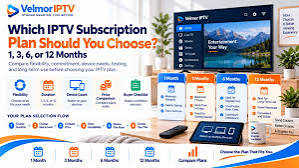
That’s exactly why most providers give you a few plan choices, not just one. Some are short, some stretch out for years. Picking the right length depends on your budget and how long you actually plan to stick around.
A short plan is smart if you’re just testing the waters. You get to try things out without committing to anything huge. But if you already know IPTV works for your family, a longer plan usually saves more money per year, and you’re not stuck renewing every twelve months.
If you want to check out real pricing, this IPTV subscription page shows different plan lengths side by side, so comparing them takes just a couple of minutes instead of digging through a bunch of tabs.
Mistakes People Keep Making
A lot of first timers just grab the cheapest plan they see and call it done. Bad move, honestly. Cheap plans often come with bad streaming, missing channels, or support that basically doesn’t exist when you actually need help.
Another common one, skipping the free trial. That trial exists for a reason. Use it. Watch a few channels, check if the app feels smooth, see if things load fast. Skipping this step means you’re basically buying blind.
People also forget to check if their own device even works with the app. Not every IPTV service plays nice with every device out there. Before paying for a full plan, just double check your Firestick, your smart TV, or your phone is actually supported.
Wrapping This Up
Switching to an IPTV subscription really isn’t that complicated once you know what matters. Look for smooth streaming, real support when things go wrong, and a plan length that actually matches your budget. Rushing in and skipping the trial is where most people end up regretting their choice.
Take a bit of time. Compare a couple of providers. Maybe read what other users are saying before you hand over your card details. That small bit of effort upfront usually means you end up with something that actually works for your house, instead of another subscription sitting there half used.